
TC53 vs. TC501: Should You Upgrade Your Zebra TC5 Series Fleet?
Posted by Advanced Automation on Aug 24th 2026

By Advanced Automation, Inc. | Mobile Computers | TC53 vs. TC501 Upgrade Guide
We sell both. The TC53 is still a strong device for a wide range of warehouse and field operations. The TC501 is a different tier of device with capabilities the TC53 genuinely doesn't have. The question isn't which one is better in the abstract. It's which one fits what your operation actually does.
What the TC501 Actually Adds Over the TC53
Built-in UHF RFID on every unit
This is the single biggest hardware difference between the two devices. Every TC501 ships with integrated UHF RFID standard. Not as an optional sled, not as an accessory that costs another several hundred dollars and makes the device bulky. It's built into the body of the device. The TC53 has no RFID capability and no path to adding it without a separate sled attachment.
If RFID inventory management, asset tracking, or authentication is part of your current workflow or your near-term roadmap, the TC501 eliminates the need to manage separate RFID hardware alongside your mobile computer fleet. For operations that have been running TC73s with RFID sleds and paying the cost and complexity of that combination, the TC501 is the device that consolidates both into one.
A dedicated AI processor for on-device applications
The TC501 runs on Zebra's Dragonwing Q-6690 processor, which includes a dedicated neural processing unit for running AI applications locally on the device. Visual receiving verification, camera-based label checking, damaged barcode detection, and on-device voice guidance are all applications the TC501 can run without sending data to the cloud and without requiring a network connection for the AI processing to happen.
The TC53 doesn't have a dedicated AI engine. It can run basic Android applications but can't execute the kind of on-device machine learning models that the TC501's NPU handles. For most current warehouse operations, this distinction doesn't matter yet because AI-powered workflows are still early. For operations actively evaluating visual verification or AI-driven receiving and the five-year lifespan of the device matters, the TC501 is the platform those applications run on and the TC53 is not.
Wi-Fi 7 and more memory
The TC501 supports Wi-Fi 7 (802.11be) where the TC53 supports Wi-Fi 6E. In most current warehouse Wi-Fi environments, this distinction doesn't produce a measurable operational difference because Wi-Fi 7 infrastructure is not yet widely deployed. It becomes relevant for operations that are upgrading their wireless infrastructure alongside their device fleet and want the devices to support the full capability of the new network for the full lifecycle of the hardware.
The TC501 is also available in configurations up to 12GB RAM and 256GB storage, compared to the TC53's standard 4 to 6GB RAM range. For operations running multiple simultaneous applications, camera feeds, RFID reads, and barcode scan processing all at once, the additional memory headroom translates to more stable application performance over time.
A better camera and hot-swap battery
The TC501 has a 50MP rear camera versus the TC53's standard camera. For operations where photo documentation matters, proof of delivery, damage capture, condition verification, or visual inspection workflows, the TC501 produces significantly higher resolution images that hold up better when zoomed or reviewed later. The TC53's camera is adequate for basic photo capture but isn't the right tool for workflows where image quality is operationally important.
The TC501 also supports hot-swap battery replacement, which means the battery can be swapped without shutting down the device or losing the active WMS session. Workers swap the battery on the fly and keep working. The TC53 requires a device restart when the battery is changed, which adds time to every battery swap across a shift. For high-utilization operations running extended shifts, that difference accumulates.

When the TC53 Is Still the Right Answer
The TC501 premium is real and it only pays off if the additional capabilities are things your operation actively uses or will actively use within the device's lifespan. If your workflows are standard barcode scanning to a WMS, you don't have RFID plans, you don't have AI-powered workflow ambitions, and your current battery change process isn't a meaningful operational friction point, the TC53 covers the job at a lower cost with a simpler deployment.
The TC53 is also a more mature platform with a wider ecosystem of accessories, cases, and cradles, and more IT teams have existing experience staging and managing it. For operations where IT simplicity and accessory availability matter, the TC53's ecosystem maturity is a real advantage over the TC501's newer platform.
For operations upgrading from TC52 or TC57 fleets with no near-term RFID or AI plans, the TC53 is the natural upgrade path. Same form factor, faster processor, better Wi-Fi, and the same Zebra ecosystem without paying for capabilities the operation won't use in the near term.

The Decision at a Glance
| Your Situation | Right Device |
|---|---|
| Standard warehouse scanning, WMS integration, no RFID plans | TC53 |
| Upgrading from TC52 or TC57, same workflows | TC53 |
| RFID inventory, asset tracking, or authentication on roadmap | TC501 |
| Currently running TC73 with RFID sled, want to consolidate | TC501 |
| AI-powered workflows planned: visual verification, damage detection | TC501 |
| High-quality photo documentation required: proof of delivery, damage | TC501 |
| Extended shifts, battery swaps are a real operational friction point | TC501 (hot swap) |
Quick Spec Comparison
| Spec | TC53 | TC501 |
|---|---|---|
| Processor | Qualcomm SD660 | Qualcomm Dragonwing Q-6690 + dedicated AI NPU |
| RFID | No (sled required) | Built-in UHF, standard on every unit |
| Wi-Fi | Wi-Fi 6E | Wi-Fi 7 |
| Memory | Up to 6GB RAM / 128GB | Up to 12GB RAM / 256GB |
| Drop rating | 6ft | 8ft |
| Camera | Standard rear camera | 50MP rear camera |
| Battery swap | Requires restart | Hot swap, no restart |
| Best for | Standard scanning, cost-sensitive deployments | RFID, AI workflows, photo-critical, extended shifts |
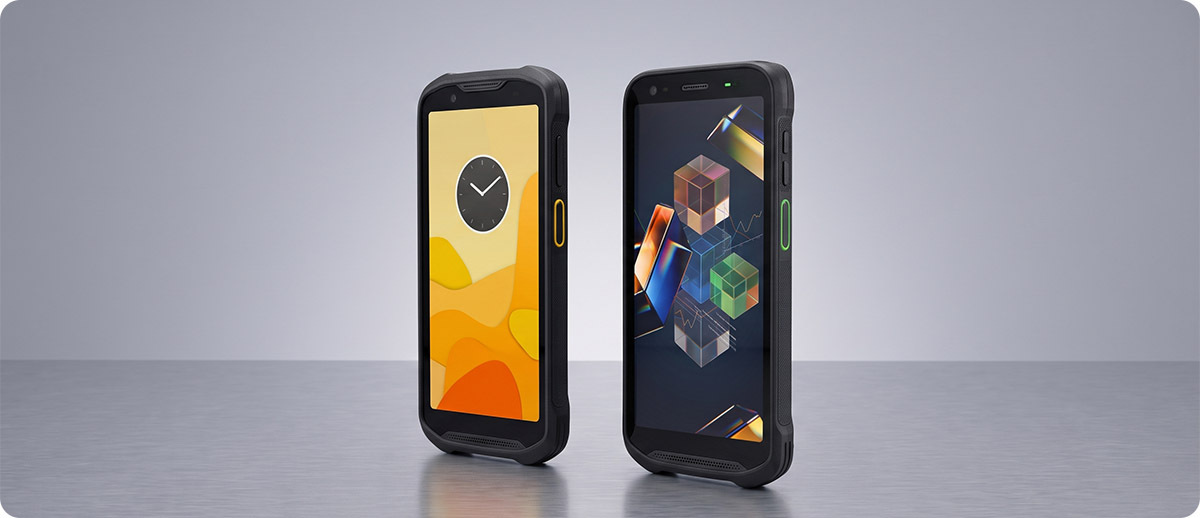
Shop TC53 and TC501 at Advanced Automation
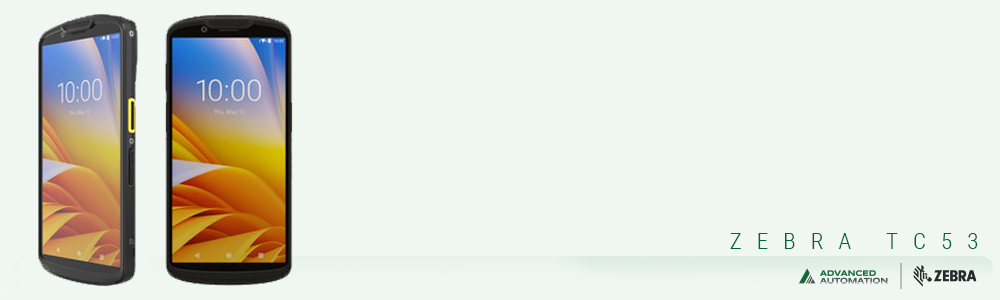
Zebra TC53
Wi-Fi 6E | SE4770 scan engine | 6ft drop | IP65/IP68 | Standard warehouse handheld
The proven mid-range enterprise handheld for standard warehouse and field operations. Right for operations upgrading from TC52/TC57 with no near-term RFID or AI requirements.
Shop Zebra TC53 →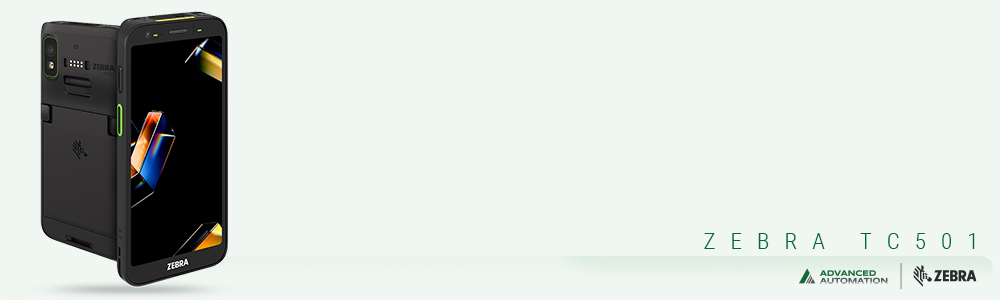
Zebra TC501
Wi-Fi 7 | Built-in UHF RFID | Dragonwing AI processor | 8ft drop | 50MP camera | Hot swap battery
The next-generation platform for RFID-enabled workflows, AI-powered applications, and operations that need more from their device than standard scanning. Shared battery platform with the TC701.
Shop Zebra TC501 →Questions We Get on This
We have a mixed fleet of TC52s and TC53s. Which one should we move to for the next refresh cycle?
If your workflows are the same as they were when you bought the TC52s and TC53s, the TC53 is the natural next step for the devices that don't need RFID or AI. If you're adding RFID-based inventory workflows to any part of the operation, those roles are better served by the TC501. A mixed fleet of TC53s and TC501s is a reasonable outcome for operations where some worker roles need RFID and others don't. The shared Zebra Mobility DNA platform manages both through the same tools.
We're not sure if we'll ever actually use the RFID on the TC501. Should we still get it?
If RFID is genuinely uncertain and not on any concrete roadmap, paying the TC501 premium for it today is probably not the right call. The TC53 covers standard scanning well and costs less. Where it changes is if your customers or supply chain partners are moving toward RFID compliance requirements, because that timeline can accelerate quickly and retrofitting a fleet mid-cycle is more disruptive than speccing the right device upfront. If GS1 2027 compliance or retailer RFID mandates are on your radar at all, it's worth factoring into the decision.
Can TC53 and TC501 devices share cradles and accessories?
No. Cradles and most physical accessories are device-specific. The TC501 uses its own cradle lineup and the TC53 uses its own. The main shared element across TC501 and TC701 is the battery, which is a meaningful advantage for mixed TC501/TC701 deployments. For mixed TC53 and TC501 deployments, plan for separate charging infrastructure for each device type.
If you want a straight recommendation on which device fits your specific workflows and fleet situation before you commit to an order, fill out the form below. We can usually get to a clear answer pretty quickly once we understand what your workers are actually doing and what you're planning for the next few years.