
Scanners That Don't Make You Choose Between Corded and Cordless
Posted by Advanced Automation on Jun 30th 2026
By Advanced Automation, Inc. | Barcode Scanners | A Scanner That Does Both
Most of the time, corded versus cordless is a decision you make once and live with. You figure out your workflow, pick the right type, and that's that. But every once in a while we run into a situation where someone genuinely needs both, just not necessarily at the same time. Maybe it's a checkout counter that needs a hands-free corded setup during the day and gets used cordless for a quick inventory walk in the back room after close. Maybe it's a clinic that wants corded reliability at a fixed station but cordless flexibility at the bedside.
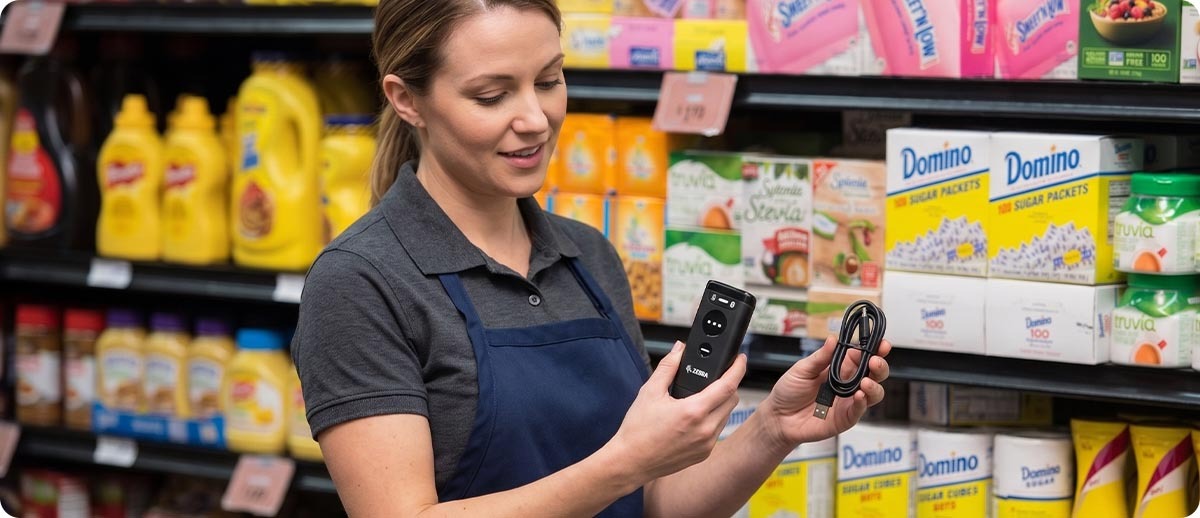
That's basically the whole reason the CS60 exists. It's a single scanner body that converts between corded and cordless depending on which part you snap onto it.
How It Actually Converts
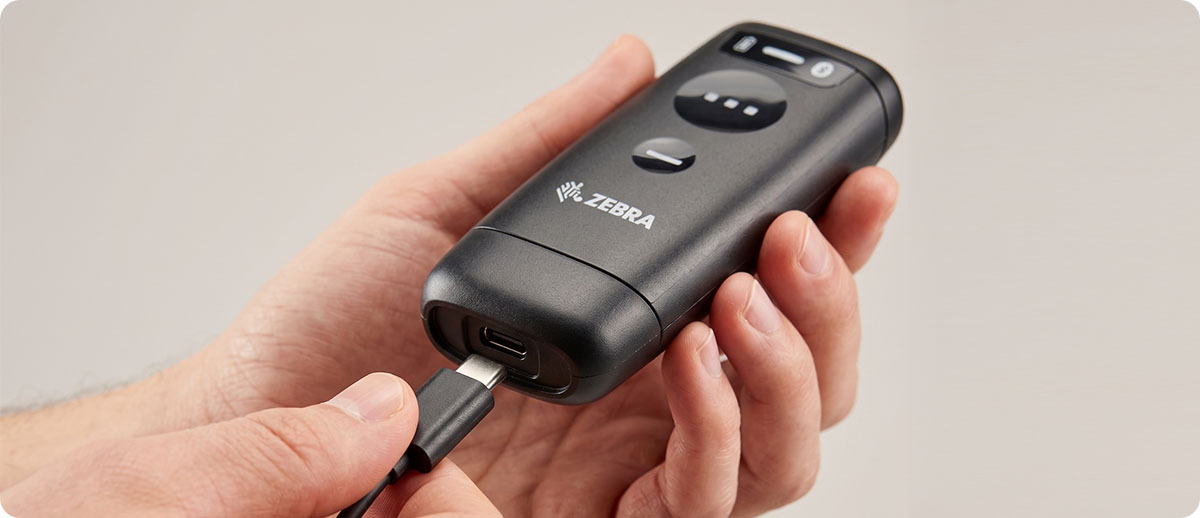
The trick is pretty simple once you see it. The scanner has a slot on the bottom, and you either put a battery pack in there or a corded USB converter. Battery in, it's cordless. USB converter in, it's corded. That's the whole swap. No tools, no rebooting, no pairing process to redo every time. You just change which part is plugged into the bottom of the scanner.
There's also an optional presentation stand you can add to the corded version, which turns it into a hands-free scanner for a checkout counter, where items just pass in front of it instead of someone aiming and pulling a trigger. So really you're getting three modes out of one device: cordless handheld, corded handheld, and corded hands-free.
As a cordless scanner, it's small enough to actually fit in a pocket, which matters more than it sounds like it should. A lot of cordless scanners are a little too bulky to carry around comfortably for a full shift. A full charge gets you about 18 hours of operating time, which covers basically any shift length you'd run into, and it charges with Qi wireless charging too, the same standard a lot of phones use, so it can sit on basically any wireless charging pad and top off, plus it'll wirelessly pair to a nearby device or its cradle just by tapping it close enough for NFC to pick it up.
Why This Actually Matters Beyond the Novelty
The real value here isn't just "neat, it does two things." It's that it removes a risk from your buying decision. Normally if you buy a corded scanner and your workflow changes six months later to something that really needs cordless, you're buying a whole new scanner. With the CS60, you just buy the conversion accessory and you're set. Same goes the other direction. If you guessed wrong on which one you needed, or your operation just evolves, the hardware adapts instead of becoming the wrong tool sitting in a drawer.
It's also genuinely useful for places running more than one kind of workflow with the same hardware. Retail stores that want corded, hands-free scanning at the register but cordless flexibility for receiving and stock checks don't need to stock two different scanner models, train staff on two different devices, or keep two sets of spare parts around. One scanner, two roles, depending on the day.
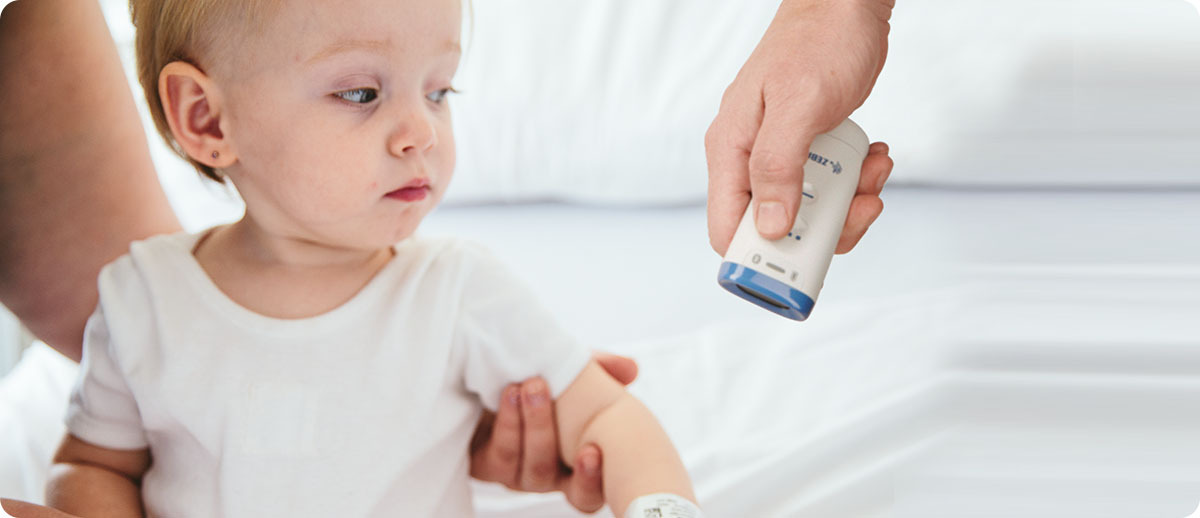
There's a healthcare version too, the CS60-HC, built with the same convertible idea but in disinfectant-ready white housing for clinical environments. Same logic applies. A nurse might want it cordless and clipped to a lanyard while doing rounds, then corded at a pharmacy counter or lab station where it's staying in one place anyway.
It's Not Just a Gimmick on the Scanning Side Either
Underneath the convertible design, the CS60 has Zebra's PRZM imaging tech, which is genuinely good at reading barcodes that are damaged, dirty, low contrast, or even barcodes displayed on a phone screen, which is its own challenge since screen glare and pixel patterns trip up a lot of cheaper scanners. So you're not trading scanning performance to get the flexibility. It's a legitimately capable scanner that also happens to switch modes. On a full charge it's rated for around 13,000 scans, which is more than enough to cover even a long, busy shift without needing a battery swap.
It's also built to survive actually being used. It's sealed against dust and water and rated to withstand drops of 5 feet onto concrete, so it's not some delicate gadget you have to baby. And on the cordless side, Bluetooth range runs up to about 100 meters, or roughly 330 feet, from the cradle, which covers basically any walk-around use case you'd realistically need in a store or warehouse.
Where We'd Actually Recommend It
If your scanning needs are pretty stable and predictable, honestly, just go with a standard corded or cordless scanner built specifically for that job. There's no need to overthink it if one mode covers everything you do.
Where the CS60 earns its place is when you've got a workflow that genuinely shifts. A self-checkout lane that also needs occasional handheld use. A retail counter that's corded most of the day but needs to go cordless for a quick price check on the floor. A clinic with a few different scanning situations that don't all call for the same setup. Or honestly, if you're just not sure yet which one you'll end up needing long term and don't want to gamble on the wrong purchase, the CS60 takes that pressure off.
CS60 Series at Advanced Automation
We carry the CS60 in several configurations depending on how you want it set up out of the box, including cradle kits, lanyard kits, and the disinfectant-ready CS60-HC for healthcare environments. Whichever kit you start with, the conversion accessories are available separately if your needs change down the road.
Zebra CS6080 Companion Scanner
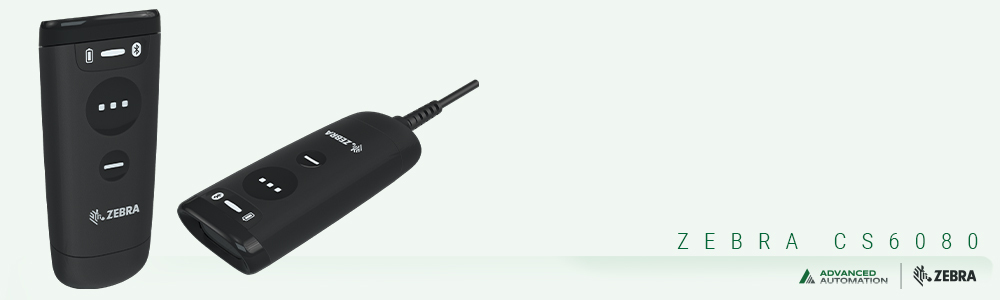
Available as a cradle kit for fixed corded or hands-free setups, or a lanyard kit for cordless, pocketable use. Same scanner body underneath, configured for how you'll use it first.
View CS6080 Companion Scanner →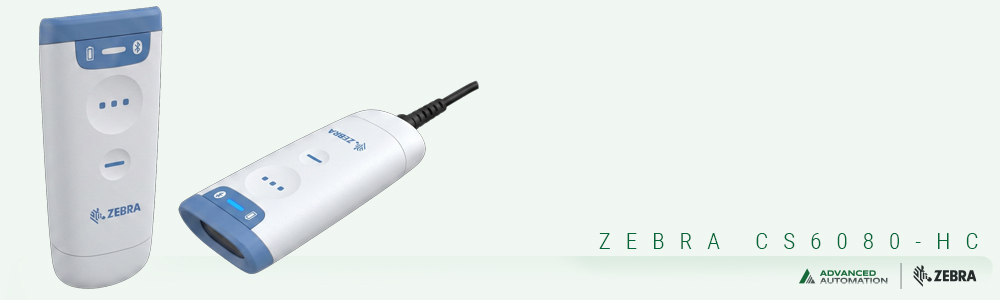
Zebra CS6080-HC Healthcare Companion Scanner
The same convertible design in disinfectant-ready white housing, built for clinical environments where it needs to handle frequent wipe-downs.
View CS6080-HC Healthcare Scanner →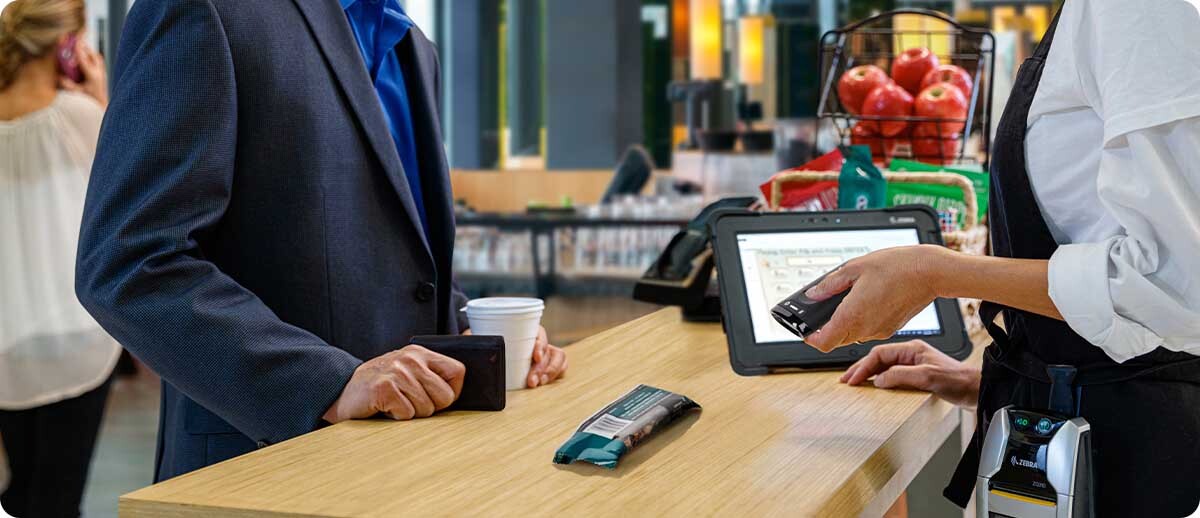
Questions People Ask Us
Do I need to buy both the battery and the USB converter, or does it come with one?
It depends which kit you start with. A cordless kit comes with the battery, a corded kit comes with the USB converter. If you know you'll eventually want both modes, it's worth grabbing the other part up front, but plenty of people just buy what they need now and add the second one later if their workflow changes.
Does switching modes mean reconfiguring the scanner or reinstalling anything?
No, it's just a physical swap of the part on the bottom of the scanner. You're not reconfiguring software or redoing any setup. If you're going from corded to cordless for the first time, you will need to pair it to whatever device it's connecting to, but that's a one-time thing, not something you redo every time you switch.
Is this overkill if I really only ever need one mode?
Pretty much, yeah. If you're confident your setup is staying corded or staying cordless indefinitely, a scanner built just for that mode is usually the simpler and more cost effective choice. The CS60 makes the most sense when there's real uncertainty or genuine dual use in the picture, not as a default upgrade over a standard scanner.
Can I use the cordless version without the cradle?
Yes, since it charges over Qi wireless charging, any standard Qi charging pad will work, not just Zebra's own cradle. The cradle is convenient because it also acts as the Bluetooth pairing point and keeps things tidy at a fixed station, but it's not strictly required just to keep the scanner charged.
If your scanning needs aren't quite settled yet, or you've got a workflow that genuinely needs both corded and cordless at different points, this is worth a closer look. Fill out the form below and we'll help you figure out the right configuration to start with.