
Why Your Lab Labels Fall Off in Liquid Nitrogen (And How to Fix It)
Posted by Advanced Automation on Jan 23rd 2026
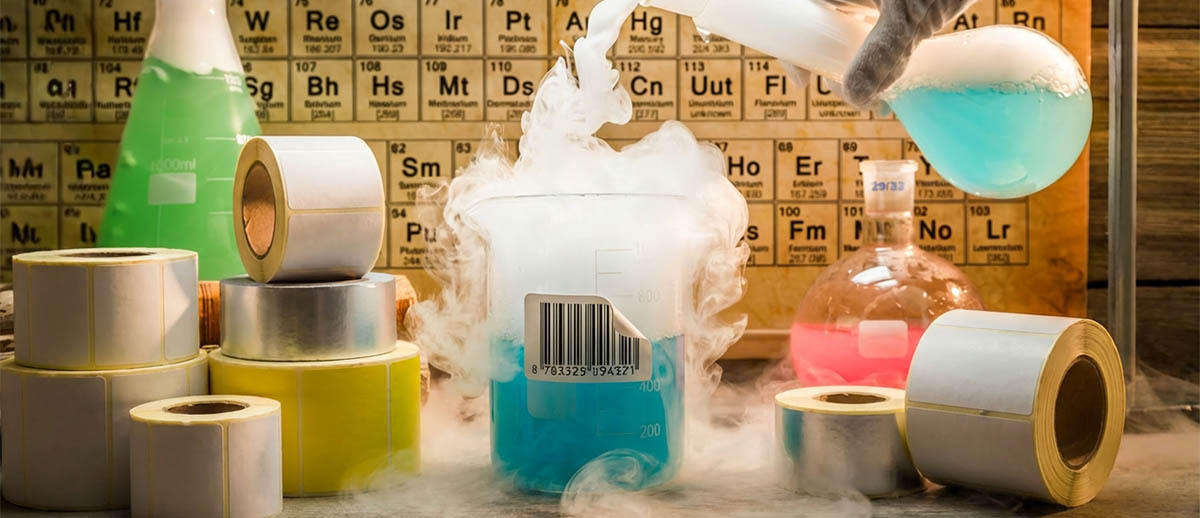
In the high-stakes world of life sciences, biotechnology, and clinical research, a single lost data point can represent years of evaporated funding or a compromised patient diagnosis. While much attention is paid to the precision of pipettes and the calibration of centrifuges, one of the most common points of failure in the lab is surprisingly low-tech: the label.
When samples are transitioned from room temperature to ultra-low temperature (ULT) freezers -80C or immersed in the vapor phase of liquid nitrogen -196C, the physical properties of standard adhesives change. This article explores the technical challenges of cryogenic identification and why specialized materials like Brady FreezerBondz are mission-critical for maintaining the chain of custody in extreme cold.
The Physics of Label Failure at -196C
To understand why a standard "durable" polyester label fails in a cryo-tank, we have to look at the coefficient of thermal expansion (CTE) and the "Glass Transition Temperature" of adhesives.
- Adhesive Embrittlement
Most pressure-sensitive adhesives (PSAs) used in general office or warehouse labeling are rubber or standard acrylic-based. As temperatures drop, these adhesives reach their T9—the point where they transition from a flexible, "rubbery" state to a hard, brittle, glass-like state. Once an adhesive becomes brittle, it loses its "tack" and its ability to dissipate energy. Any mechanical stress, such as the slight expansion of a polypropylene vial as it freezes, will cause the bond to snap. - Thermal Contraction Mismatch
Laboratory vials are typically made of polypropylene or cyclic olefin copolymer (COC). These plastics contract significantly when cooled to cryogenic temperatures. If the label material and the adhesive do not contract at the same rate as the vial, the internal shear stress will cause the label to "flag" (peel at the edges) or pop off entirely. - The "Snap-Freeze" Factor
In many workflows, labels are applied to vials that are already frosted or have been pulled directly from a -20C environment. Standard adhesives cannot "wet out" on a cold surface because the moisture (frost) acts as a physical barrier. Specialized cryogenic labels use high-tack, low-temperature acrylics designed to penetrate the microscopic layer of frost and bond directly to the container wall.
Anatomy of a Cryogenic Label: Beyond the Sticker
A true cryogenic labeling solution, such as the Brady B-492 (FreezerBondz), is engineered as a multi-layer system.
High-Density 2D Barcoding
In cryogenic storage, space is at a premium. 1D barcodes are often too long to fit on the circumference of a 0.5ml or 2.0ml vial. High-density 2D DataMatrix codes allow for massive amounts of data—including lot numbers, expiration dates, and unique specimen IDs—to be printed on a surface area smaller than a fingernail.
The Protective Over-Laminate (Self-Laminating Tails)
Chemical exposure is a constant threat in the lab. Samples are often wiped down with 70% Isopropyl Alcohol (IPA) or exposed to Dimethyl Sulfoxide (DMSO). Some cryo-labels feature a white printable area and a clear "tail" that wraps around the vial and overlaps the printed text. This clear layer acts as a physical shield, ensuring the barcode remains readable even if the vial is submerged in a chemical bath or handled with gloved hands covered in ethanol.
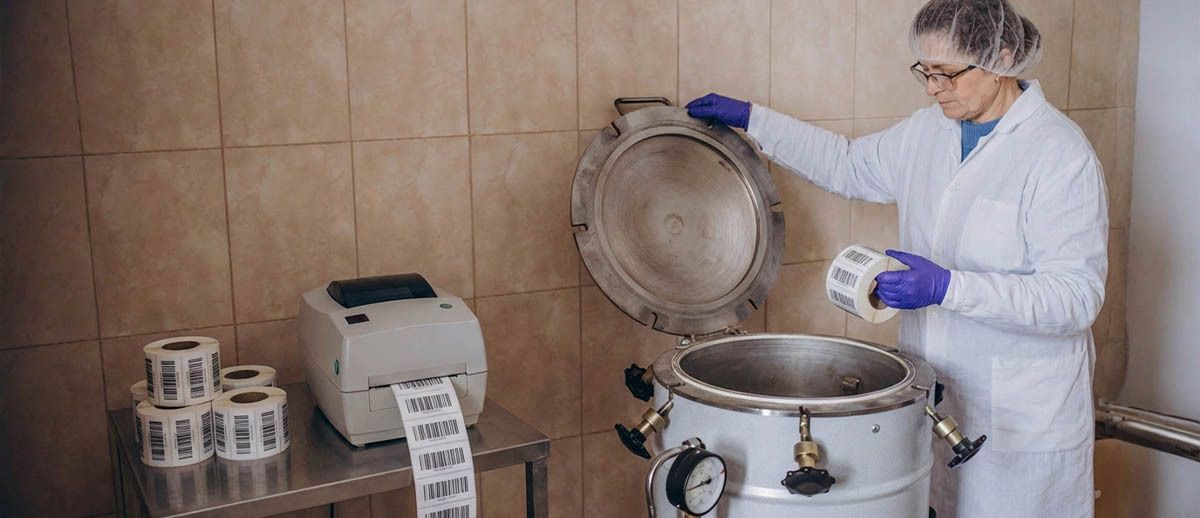
Solving the Efficiency Gap: Automated vs. Manual Identification
Many labs still rely on fine-tip markers for vial identification. While seemingly cost-effective, manual labeling is a significant bottleneck and a primary source of transcription errors.
Handwriting is limited to a few characters, whereas high-density 2D barcodes can store thousands. Furthermore, handwriting is subjective and varies by person, leading to potential misinterpretation during critical retrieval. In contrast, 600 DPI machine-readable precision ensures a 100% accurate read every time.
Perhaps the most significant difference is throughput. While a technician might manually label two vials per minute, a thermal transfer printer like the Brady i5100 or the portable M611 can produce 30 to 50 labels per minute. These systems allow labs to import data directly from their LIMS (Laboratory Information Management System), eliminating the risk of "misread" handwriting during a critical sample retrieval.
Hardware Synergy: Reading Through the Frost
A cryogenic label is only as good as the hardware used to read it. In ULT environments, vials often develop a layer of surface frost immediately upon removal from storage.
Standard barcode scanners struggle with the light diffusion caused by ice crystals. However, healthcare-grade barcode scanners—like those from Zebra or Honeywell—utilize advanced decoding algorithms designed to "see through" frost and low-contrast environments. When paired with the high-contrast black-on-white printing of a Brady resin ribbon, these scanners ensure that sample check-in and check-out are instantaneous even in "cold-chain" conditions.
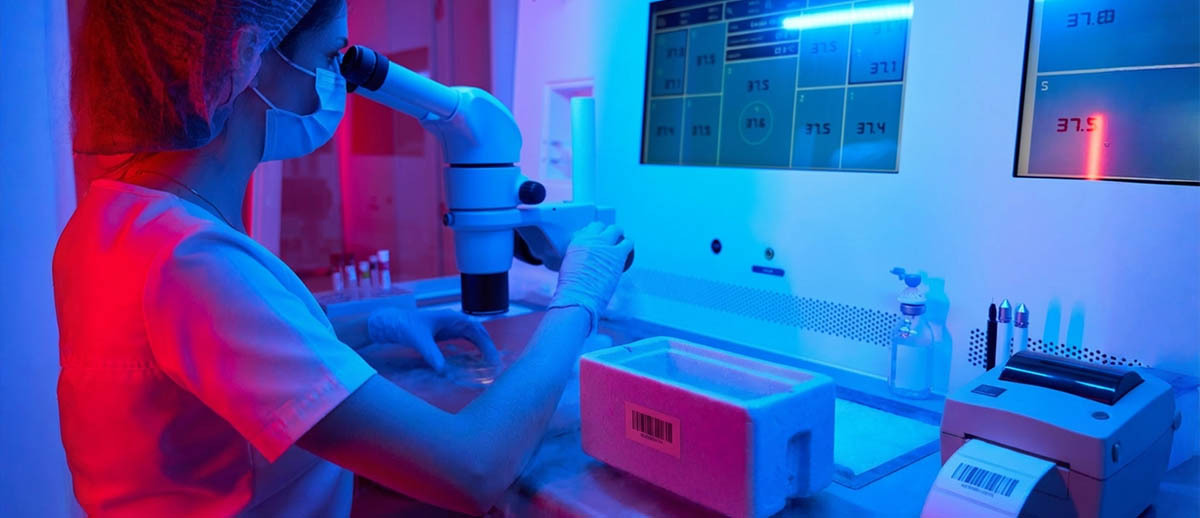
Best Practices for Cryogenic Label Application
To ensure 100% label retention, follow these industry best practices:
- Apply to Room Temp (Ideally): While FreezerBondz can be applied to frozen surfaces, the strongest bond is formed when applied to a clean, dry vial at room temperature prior to freezing.
- Avoid Overlapping the Cap: Ensure the label does not interfere with the cap's seal, as thermal contraction can cause the cap to torque and catch the label edge.
- Use the "Wrap" Method: Whenever possible, use a label long enough to overlap itself. This creates a "label-to-label" bond, which is chemically much stronger than a "label-to-plastic" bond when submerged in liquid nitrogen.
Protecting the Future of Research
In the context of a multi-million dollar clinical trial or a rare biobank collection, the cost of a specialized cryogenic label is negligible. However, the cost of a failed label is immeasurable. By moving away from general-purpose adhesives and embracing the material science of Brady's cryogenic portfolio, laboratories can eliminate one of the most preventable risks in specimen management.
Advanced Automation provides the full ecosystem—from the specialty B-490/B-492 materials to the high-resolution printers and frost-penetrating scanners—required to keep your samples safe at -196C.