
Rugged Devices vs. Consumer Devices: When Durability Matters
Posted by Advanced Automation on Jun 30th 2025
In the world of barcoding, data capture, warehouse logistics, and field mobility, one of the most common misconceptions is that a standard consumer-grade device can deliver the same performance and durability as an industrial-grade rugged mobile computer. On paper, the cost savings can look appealing—take, for example, a beverage distributor quoted on several Zebra TC53 rugged mobile computers who instead considers opting for Apple iPhones or Samsung Galaxy smartphones that appear 40–60% less expensive up front. Too good to be true? Exactly.
Defining the Divide: Rugged vs. Consumer Devices
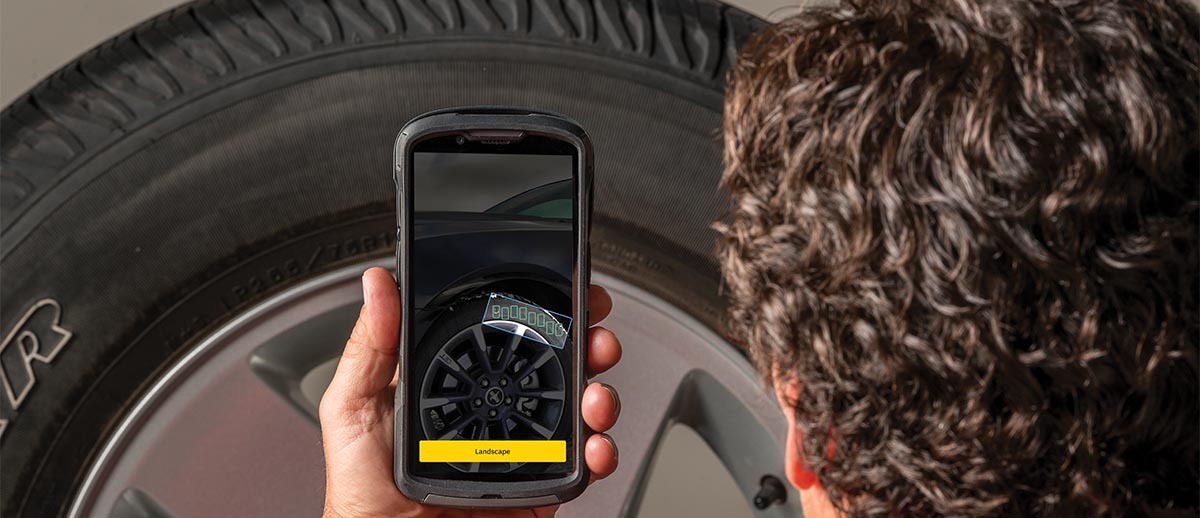
A rugged device—such as the Zebra TC53, Honeywell CT47, or similar mobile computers—is a purpose-built handheld, tablet, or scanner designed for enterprise and industrial use. These devices are engineered to withstand harsh environments, including drops, dust, moisture, temperature extremes, and continuous daily use.
A consumer device, by contrast, is designed for personal or general commercial use—devices like iPhones, Galaxy handhelds, and other off-the-shelf smartphones or tablets. While sleek and feature-rich, these devices prioritize aesthetics, convenience, and lightweight usage—not durability.
When evaluating whether to go with a rugged mobile computer or a consumer handheld, the core of the discussion must center around total cost of ownership (TCO) and operational uptime. Here’s where rugged devices like Zebra rugged handhelds and Honeywell rugged scanners truly separate themselves from their consumer-grade counterparts.
|
The Key Attributes That Define Ruggedness 2. Drop and Tumble Rating: Zebra rugged scanners and Honeywell rugged devices are tested to survive multiple drops from 4–6 feet onto concrete, often hundreds of times. Rugged devices often undergo tumble testing simulating years of abuse. An iPhone or Galaxy device may crack on the first drop. 3. Durable Screens: Rugged devices incorporate chemically strengthened or ultra-durable Gorilla Glass, sometimes even with anti-glare or glove-compatible screens. Consumer handhelds are more vulnerable to cracks and shattered displays. |
 |
4. Temperature Tolerance: Rugged handhelds are engineered to operate in cold storage, hot loading docks, and freezing delivery routes. Consumer scanners struggle or shut down when exposed to high heat or sub-zero conditions.
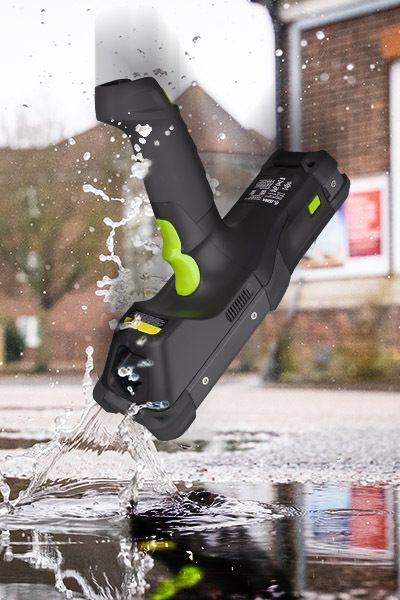
5. Moisture and Chemical Resistance: In industrial or food & beverage environments, exposure to cleaning solutions, oils, or moisture is routine. Zebra rugged devices and Honeywell rugged handhelds are sealed and chemically resistant—most consumer devices are not.
6. Accessory Ecosystem and Industrial Mounting: Rugged devices are supported by a broad accessory lineup including vehicle cradles, pistol grips, holsters, and hot-swappable batteries—ideal for shift-based work. Consumer devices are rarely integrated into such ecosystems.
7. Long-Term Support and OS Longevity: Rugged Android devices offer 5+ years of support, security patches, and OS upgrades under platforms like Zebra Mobility DNA or Honeywell Mobility Edge. Consumer smartphones may sunset after 2–3 years.
Why Consumer Devices Don’t Save Money in the Long Run
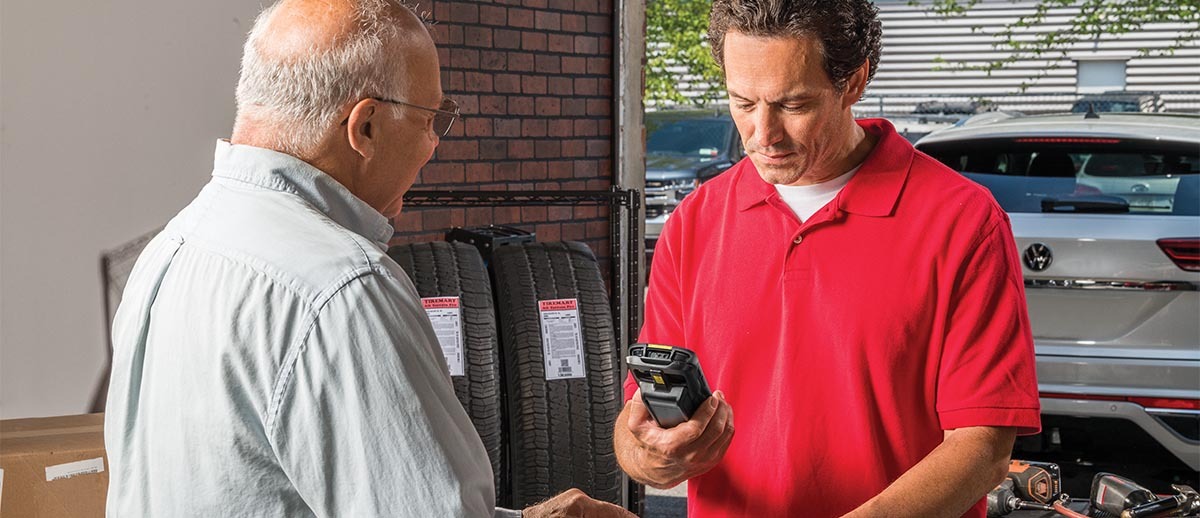
At first glance, buying consumer handhelds instead of rugged mobile computers might seem like a smart budget move. But when evaluating the real-world costs, the value proposition flips.
1. Durability and Replacement Costs
Consumer devices fail more often—from drops, cracked screens, water exposure, and general wear. Even if a consumer device is 50% less expensive upfront, replacing that device once or twice during the expected 5-year lifespan of a rugged device flips the investment upside down. In some cases, companies have ended up replacing more than 100% of their consumer device fleet within five years. Rugged devices, when properly cared for, often outlast their expected lifecycle.
2. Serviceability and Downtime Mitigation
Most rugged devices are eligible for full coverage service plans, such as Zebra OneCare or Honeywell Edge Services, providing no-cost repairs and guaranteed turnaround times. Consumer-grade devices usually lack enterprise-level service options—or if they exist, they’re slow and costly.
Additionally, organizations that purchase cheap mobile computers tend to skip any warranty plan to "save more upfront," gambling on reliability. But the gamble often backfires. Rugged devices allow you to lock in cost predictability for 5 years with a simple service plan.
3. Downtime, Lost Productivity, and Manual Workarounds
Every time a device is out of commission, that employee’s productivity tanks. The result? Employees revert to paper logs, manual inventory counts, or worse—waiting for a replacement device to be provisioned. For example, counting inventory with pen and paper can take 3x longer and increase miscounts, affecting inventory accuracy, availability, and ultimately the bottom line.
On top of that, factor in the management time spent replacing broken devices, troubleshooting apps on unsupported consumer models, and manually pushing updates to fragmented devices. These non-tangibles come with a very real cost.
The Rugged Advantage: Long-Term TCO Wins
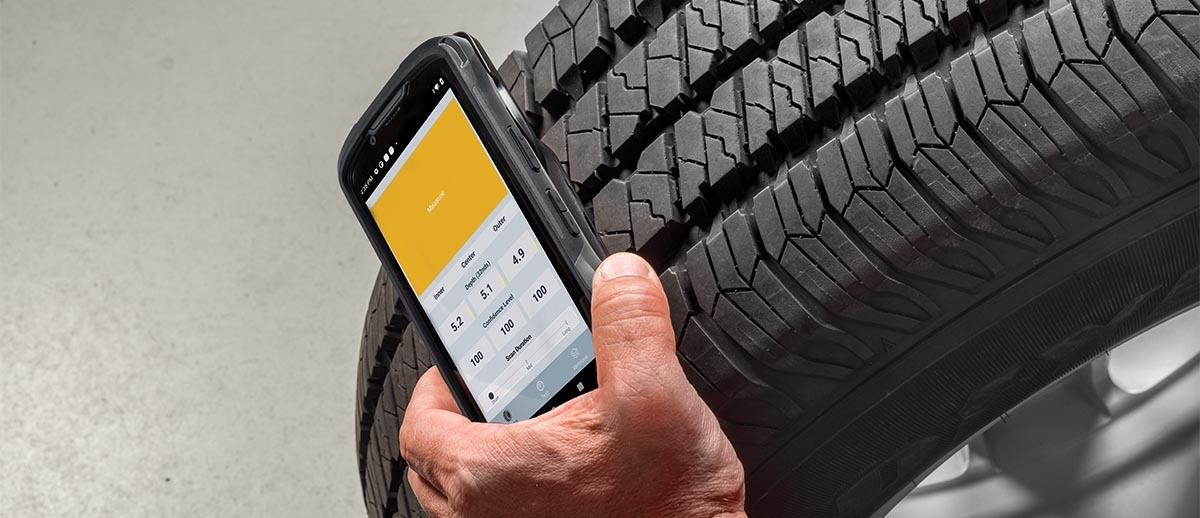
The desired 5-year lifespan of a rugged mobile computing device is not just a target—it’s an expectation. Rugged scanners and handhelds from Zebra and Honeywell are designed to withstand five years (or more) of industrial usage, all while delivering consistent uptime, reliable performance, and manageable service costs.
In contrast, consumer devices create a false sense of savings. While the initial acquisition cost may be lower, the total cost of ownership quickly escalates when you account for:
- Device replacements
- Repair or downtime-related productivity losses
- Lack of rugged accessories
- Shorter product support windows
- Time spent troubleshooting
The TCO gap widens faster depending on your environment. High-paced logistics? Cold storage? Warehouse operations? The more demanding the application, the quicker a consumer device becomes a liability.

Final Verdict: Rugged vs Consumer in Industrial Applications
If you’re evaluating a Zebra rugged scanner, a Honeywell rugged handheld, or any other rugged mobile computers, it’s essential to consider more than just price tags. Factor in reliability, uptime, repairability, support longevity, and operational throughput.
When comparing industrial vs consumer grade devices, rugged mobile computers provide the stability and cost control that high-velocity businesses require. Whether it’s field service, route accounting, warehouse operations, or cold chain distribution, rugged devices are engineered to help you win in the long run.
So when a quote comes back showing a rugged mobile computer 40% more expensive than a cheap scanner or smartphone—just remember: cheap up front becomes expensive later.