
Brady Laboratory Label Portfolio: Complete Guide to Lab ID Applications and Solutions
Posted by Advanced Automation on Sep 25th 2025
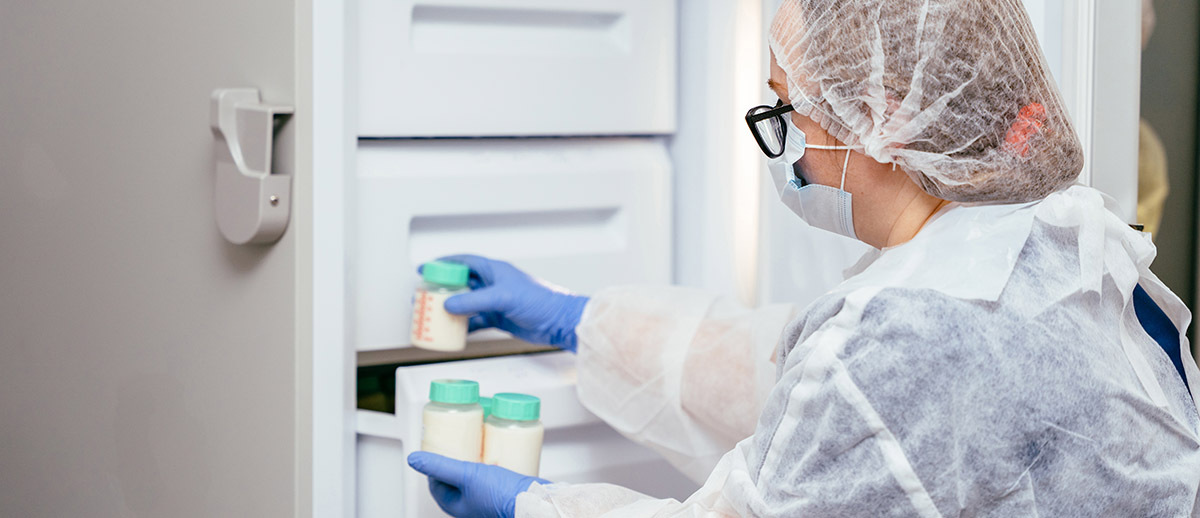
In modern laboratories, accurate identification of samples, reagents, and equipment isn’t just important—it’s mission critical. Misidentified vials or unreadable labels can cause compliance violations, wasted time, and even compromised research outcomes. That’s why Brady laboratory labels have become the trusted choice in labs worldwide.
Brady’s laboratory label portfolio is engineered to withstand the most demanding conditions—extreme cold, high heat, chemical exposure, and rigorous sterilization. Whether you’re labeling test tubes, microscope slides, or autoclave-ready glassware, Brady’s material science and adhesive expertise deliver unmatched reliability.
This guide covers the eight primary Brady lab label applications, their sub-categories, challenges, and the recommended Brady label materials and products to meet those needs. We’ll also explore custom solutions available through Advanced Automation, the nation’s most trusted Brady supplier, and highlight why genuine Brady labels and Brady printers are the unbeatable combination for laboratory identification.
1. Cryogenic Labels
Challenges
Cryogenic storage plunges samples into temperatures as low as –196 °C in liquid nitrogen. Standard labels crack, peel, or fall off, leaving samples untraceable. Brady cryogenic labels are engineered with freeze-bond adhesives and films that stay flexible and legible after repeated freeze/thaw cycles.
Sub-Applications
- Cryo vials & tubes: Small diameters demand thin, flexible labels that won’t flag.
- Freezer boxes & racks: Require durable ID labels visible through frost.
- Cryogenic straws & thin tubes: Need ultra-narrow labels for tight spaces.
- Canisters / can lids: Coarse surfaces demand strong bonding adhesives.
Recommended Brady Solutions
- B-492 FreezerBondz™ Ultra-Thin Polyester — Bonds to frozen and curved surfaces, survives –196 °C to +100 °C.
- B-461 Self-Laminating Cryogenic Polyester — Protects printed data with a clear overlaminate; ideal for long-term LN2 storage.
- B-7425 Cryogenic Polypropylene — Flexible, economical choice for freezer and cryo workflows.
- B-7600 Clear Cryo Labels — Transparent film for sample visibility during storage.
Best Fit: For vials and tubes, B-492 FreezerBondz is the gold standard; for extra protection, choose B-461 self-laminating.
2. Test Tube & Vial Labels
Challenges
Tubes and vials are small, curved, and often subjected to centrifugation, freezing, or heating. Labels must stay secure and scannable in challenging workflows.
Sub-Applications
- PCR & qPCR tubes: Withstand thermal cycling from 4 °C to 95 °C.
- Centrifuge tubes (1.5 mL – 50 mL): Resist high g-forces without peeling.
- Blood & specimen vials: Require medical-grade adhesion on glass or plastic.
- Reagent vials: Must withstand solvents and repeated handling.
Recommended Brady Solutions
- B-492 Cryogenic Labels for tubes needing freezer performance.
- B-7425 Polypropylene Labels for cost-effective chemical and temperature resistance.
- B-494 Color Polyester Labels for easy workflow color-coding.
Best Fit: For everyday test tube labeling, B-7425 polypropylene balances performance and affordability.
3. Microplate Labels
Challenges
Microplates in high-throughput labs face robotic handling, solvent washes, and limited labeling space. Labels must resist abrasion and stay flush to avoid interfering with equipment.
Sub-Applications
- 96-well plates: Standard for assays and screenings.
- 384-well plates: Higher density with narrower label zones.
- Stacked plates: Require edge-labeling that won’t snag.
- Washed plates: Exposure to detergents, solvents, and repeated pipetting.
Recommended Brady Solutions
- B-488 Chemical-Resistant Polyester Labels — Ideal for plates exposed to solvents and wash cycles.
- Custom Microplate Label Strips — Advanced Automation can provide custom-cut strips designed for your plate format.
Best Fit: For solvent resistance, B-488 polyester is the preferred choice.
4. Microscope Slide Labels
Challenges
Slides face solvents, stains, immersion oils, and long-term storage demands. Poor-quality labels smear or fade, risking sample misidentification.
Sub-Applications
- Histology / pathology slides: Must withstand xylene, ethanol, and staining reagents.
- Cytology slides: Require strong adhesives to survive fixation and oils.
- Archival slides: Labels must resist fading over decades.
- Teaching slides: Frequent handling demands abrasion resistance.
Recommended Brady Solutions
- B-481 StainerBondz™ Polyester — Industry-standard for slide labeling; resists xylene, toluene, alcohols, and harsh staining chemicals.
Best Fit: B-481 StainerBondz is the definitive solution for histology and pathology slide workflows.
5. Color Labels
Challenges
Color improves efficiency by providing visual cues for risk, priority, or study group differentiation. But in labs, color must survive chemicals and handling without fading.
Sub-Applications
- Risk coding: Color cues for biohazard or control samples.
- Study groups: Differentiate patient cohorts or timepoints.
- Expiration tracking: Highlight soon-to-expire reagents.
- Priority flags: Identify urgent samples.
Recommended Brady Solutions
- B-494 Color Polyester Labels — Available in a range of colors (blue, orange, red, etc.), resistant to solvents and abrasion.
Best Fit: B-494 polyester balances vibrant color with laboratory durability.
6. Autoclave Labels
Challenges
Autoclave sterilization subjects labels to 121 °C steam and pressure. Many labels blister, smear, or delaminate. Brady autoclave labels are designed for these extremes.
Sub-Applications
- Reusable labware: Flasks, trays, and bottles.
- Sterile packaging: Instrument packs and pouches.
- Autoclavable instruments: Racks, trays, and metal surfaces.
- Cycle indicators: Color-shifting autoclave indicators.
Recommended Brady Solutions
- B-488 Chemical & Heat-Resistant Polyester Labels — Tested to survive repeated autoclave cycles.
- Custom Autoclave Labels — Advanced Automation can tailor adhesives for unique materials or sterilization protocols.
Best Fit: For most autoclave workflows, B-488 polyester delivers consistent results.
7. Glassware & Container Labels
Challenges
Beakers, bottles, and containers are exposed to solvents, washes, and repeated handling. Labels must resist peeling or fading while maintaining legibility.
Sub-Applications
- Beakers & flasks: Washed repeatedly with detergents and solvents.
- Chemical containers: Must resist acids, bases, and solvents.
- Hazardous waste containers: Labels must maintain compliance markings.
- Freezer bottles: Require cryogenic-compatible adhesives.
Recommended Brady Solutions
- B-488 Polyester Labels — Chemical and solvent-resistant, long-lasting adhesion.
- B-7425 Polypropylene Labels — Economical option for plastic containers.
- B-494 Color Labels — Add visual cues to containers.
Best Fit: B-488 polyester is the go-to for durable, chemical-resistant container labeling.
8. General Lab ID Labels
Challenges
Labs also need versatile ID labels for racks, trays, shelves, and equipment. These must balance durability with flexibility.
Sub-Applications
- Racks & trays: Frequent handling demands strong adhesives.
- Storage bins & shelving: Requires large, scannable barcodes.
- Equipment labeling: Labels must bond to steel, plastic, or painted surfaces.
- Inventory management: Ensures consumables are tracked.
Recommended Brady Solutions
- B-499 Nylon Cloth Labels — Aggressive adhesive, flexible for curved or rough surfaces.
- B-488 Polyester Labels — For durable, solvent-resistant equipment labeling.
Best Fit: B-499 nylon cloth for equipment and B-488 polyester for racks and consumables.
The Power of Custom Brady Labels
Not every lab’s needs are covered by stock options. That’s where Advanced Automation steps in as the nation’s most experienced Brady custom label supplier.
Custom sizes & die-cuts for unusual vial or plate formats.
Special adhesives for glass, plastics, metals, or coated surfaces.
Pre-printing with barcodes, serialization, or color schemes.
Regulatory validation support with material certifications.
With Advanced Automation, you’re not just ordering labels—you’re ensuring your lab’s labeling system is precise, compliant, and ready for future growth.
Why Choose Genuine Brady Labels & Printers?
Pairing Brady labels with genuine Brady printers ensures unmatched performance:
- Guaranteed compatibility — Extends printhead life and prevents misprints.
- Consistent readability — Crisp barcodes and 2D codes every time.
- Regulatory assurance — Confidence your labels meet compliance standards.
Together, Brady labels and printers deliver an unmatched combination of quality and reliability, making them the most trusted laboratory identification solution in the world.